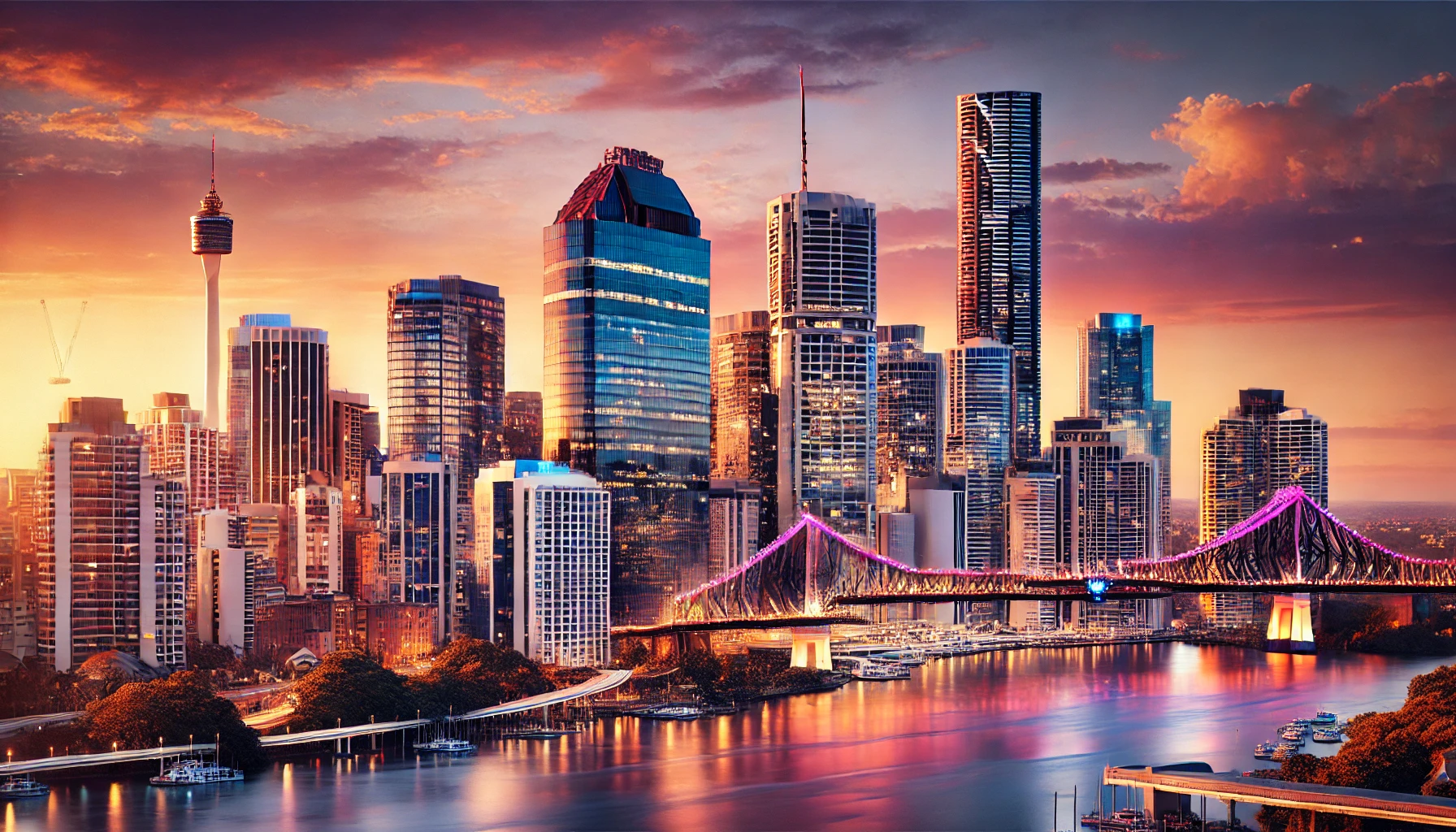
Brisbane’s property market has long been overshadowed by the powerhouse cities of Sydney and Melbourne. Yet, in recent years, Queensland’s capital has emerged as a standout performer in Australia’s real estate landscape. Buoyed by relative affordability, strong interstate migration, and extensive infrastructure initiatives, Brisbane has evolved from a “steady and reliable” market into a city that increasingly captures national and international investor attention. But as economic conditions shift and major projects come online, what might the future hold for this dynamic property market?
A Shifting Economic Landscape
Over the past decade, Brisbane’s economy has diversified, reducing its reliance on traditional sectors like mining. The city’s growing healthcare, education, technology, and tourism industries provide a stable foundation for long-term growth. Additionally, the federal and state governments are investing heavily in infrastructure, including the Cross River Rail, Brisbane Metro, and airport expansions. These projects not only create jobs but also improve connectivity, reducing travel times and elevating Brisbane’s profile. As a result, improved transportation links and community amenities will likely continue to enhance the livability of Brisbane’s suburbs, boosting property demand across a broader range of neighborhoods.
Population Growth and Demographic Shifts
One of the most significant drivers of Brisbane’s housing market has been population growth, particularly interstate migration. Many Australians fleeing the higher housing costs of Sydney and Melbourne are attracted to Brisbane’s more accessible price points, balanced lifestyle, and subtropical climate. Moreover, remote and flexible work arrangements—accelerated during the pandemic—have made it easier than ever for people to relocate. With sustained population inflows comes sustained housing demand. While the pace of migration may fluctuate with economic cycles, it’s likely that Brisbane’s reputation as a lifestyle city will maintain consistent interest among domestic and international buyers alike.
The 2032 Olympic and Paralympic Games
A critical milestone on the horizon is the 2032 Olympic and Paralympic Games, set to be hosted in Brisbane. Historically, cities that host major global events benefit from improved infrastructure, international visibility, and long-term economic boosts. These effects often translate into enhanced real estate demand, especially in areas surrounding key venues and transport links. In the years leading up to the Olympics, expect to see a surge in construction, urban renewal, and possibly zoning reforms that can unleash new housing supply. While it’s not always guaranteed that hosting such events results in ongoing price gains, Brisbane’s careful planning and measured approach suggest that the Games could help solidify the city’s upward trajectory in real estate values.
Housing Supply and Affordability
Despite positive fundamentals, the future is not without challenges. Affordability remains an ongoing issue, as rapid price growth in the last few years has begun to erode some of Brisbane’s historic cost advantages. On the supply side, developers face rising construction costs, regulatory hurdles, and material shortages. Managing housing supply to keep pace with demand will be essential. Policymakers and urban planners may need to consider innovative approaches—such as higher-density developments along transport corridors or incentives for build-to-rent projects—to ensure a steady pipeline of homes. Balancing affordability with growth and quality of life will be a test of Brisbane’s long-term planning acumen.
Rising Interest Rates and Economic Uncertainty
As interest rates fluctuate, borrowing capacity and buyer sentiment will also shift. Higher interest rates can temper demand, leading to flatter price growth or even modest corrections. However, Brisbane’s strong employment prospects, relative affordability, and ongoing migration give it some resilience against these cyclical headwinds. Over time, small dips or periods of stabilization might actually present opportunities for both homebuyers and investors to enter the market at more reasonable price points.
Looking Ahead: Sustainable Growth and Opportunity
Ultimately, the outlook for Brisbane’s property market is one of cautious optimism. The city is evolving—fueled by population growth, infrastructure improvements, and increased global visibility. While challenges such as affordability, supply constraints, and economic uncertainties will test the market’s strength, Brisbane remains well-positioned for sustainable growth. Buyers, sellers, investors, and policymakers alike can prepare for a future where Brisbane continues to command a more significant share of Australia’s real estate spotlight, offering a balanced blend of opportunity, stability, and long-term potential.